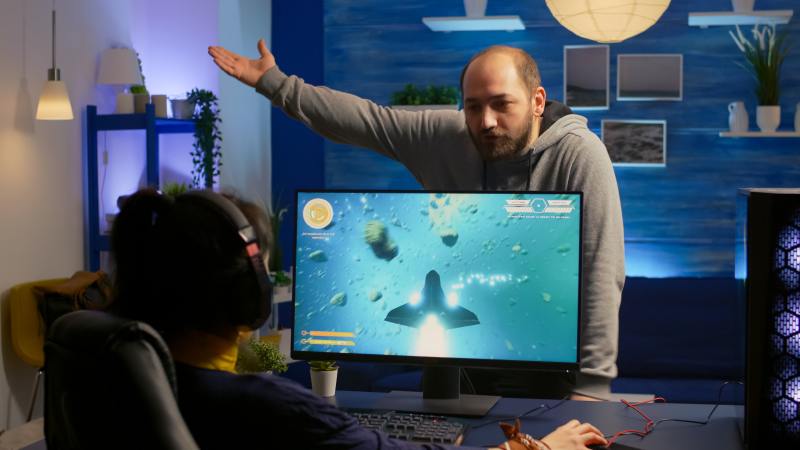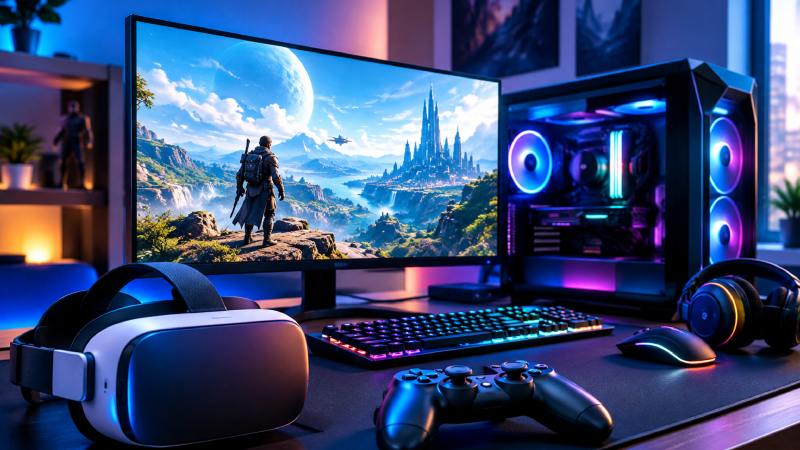
The gaming industry continues to evolve at an impressive pace, influenced by technological innovation, changing player expectations, and the growing popularity of digital entertainment. From cloud-based platforms and artificial intelligence to immersive virtual worlds and competitive esports, modern gaming has become much more than simply playing a title on a console or computer.
Understanding gaming trends uggworldtech can help players, developers, content creators, and technology enthusiasts recognize the major changes shaping the industry. New technologies are making games more accessible, while online communities are creating stronger connections between players across different regions.
This article explores some of the most important developments influencing modern gaming and explains how these trends may shape the experiences players enjoy in the years ahead.
The Rapid Evolution of Gaming
Gaming has changed dramatically over the past few decades. Early video games focused primarily on simple mechanics and limited graphics, while today’s games can feature expansive environments, realistic physics, sophisticated characters, and persistent online worlds.
The development of powerful processors and graphics hardware has allowed developers to create increasingly detailed experiences. At the same time, faster internet connections have transformed gaming from an individual activity into a highly social form of entertainment.
Players can now participate in multiplayer matches, communicate through voice chat, watch live tournaments, and share gameplay content with audiences around the world. This combination of technology and connectivity has created an industry that continues to expand into new areas.
Cloud Gaming Is Changing Accessibility
One of the most significant developments in modern gaming is cloud technology. Traditional gaming often requires players to own hardware capable of running demanding software. Cloud gaming can reduce that requirement by processing games on remote servers and streaming the experience to supported devices.
This approach may make high-quality gaming more accessible to people who do not have expensive gaming computers or the latest consoles. A stable internet connection can become more important than owning extremely powerful local hardware.
Cloud gaming also gives players greater flexibility. Depending on the platform and service, users may be able to move between different devices while maintaining access to their games and progress.
As internet infrastructure continues to improve, cloud-based gaming is likely to remain an important part of discussions surrounding the industry’s future.
Artificial Intelligence and Game Development
Artificial intelligence is becoming increasingly relevant to game development. Developers can use AI-assisted technologies for areas such as testing, procedural content creation, animation, dialogue systems, and player behavior analysis.
AI can also help create opponents that respond more dynamically to player actions. Instead of following predictable patterns, computer-controlled characters can potentially adapt their strategies according to what happens during gameplay.
However, AI does not replace the creative work of game designers, writers, artists, and programmers. Instead, it can serve as an additional tool that helps development teams experiment with ideas and automate repetitive processes.
The influence of AI is therefore one of the key elements to watch when examining gaming trends uggworldtech. Its role is likely to develop alongside improvements in computing power and game-development software.
The Growth of Cross-Platform Gaming
Players increasingly expect games to work across multiple platforms. Cross-platform gaming allows people using different devices to participate in the same multiplayer environment.
For example, a player using a console may be able to compete or cooperate with someone playing on a computer or supported mobile device. This approach can make multiplayer communities larger and reduce the limitations created by separate gaming ecosystems.
Cross-platform progression can be equally useful. When supported, players may be able to maintain their achievements, purchases, or progression across compatible devices.
For developers, cross-platform functionality requires careful technical planning. Different systems have different capabilities, controls, and performance requirements. Nevertheless, the demand for flexible gaming experiences continues to encourage companies to explore these solutions.
Mobile Gaming Remains a Major Force
Smartphones have made gaming available to a massive global audience. Unlike dedicated gaming hardware, smartphones are already used daily for communication, entertainment, shopping, and social activities.
Mobile games range from simple puzzle experiences to sophisticated multiplayer titles. Improvements in mobile processors, displays, connectivity, and graphics capabilities have made smartphones increasingly capable gaming devices.
Another advantage is convenience. Players can enjoy short gaming sessions while traveling, waiting, or taking breaks. Developers have responded by creating games designed around both brief sessions and longer play periods.
The continued growth of mobile gaming demonstrates how the industry is becoming increasingly diverse. Players no longer have to depend on a single type of device to enjoy interactive entertainment.
Virtual Reality and Immersive Experiences
Virtual reality continues to attract attention because it offers a different way to interact with digital environments. Instead of viewing a game through a traditional screen, VR places the player inside a simulated space.
Modern VR systems can track head movement and, with compatible controllers, hand movements. This allows players to interact with virtual environments in more physical and immersive ways.
VR is being explored across several genres, including action, simulation, adventure, fitness, and social experiences. Developers are also experimenting with ways to make virtual environments more comfortable and intuitive.
Although VR still faces challenges such as hardware costs and user comfort, continuing technological improvements could expand its audience.
Esports and Competitive Gaming
Competitive gaming has developed into a major entertainment category. Esports tournaments attract players, spectators, sponsors, content creators, and professional organizations.
Competitive games require more than fast reactions. Successful players often need communication, strategic planning, teamwork, adaptability, and an understanding of game mechanics.
Streaming platforms have also changed how audiences consume esports. Instead of watching only traditional tournament broadcasts, fans can follow individual players, teams, commentators, and content creators.
This connection between competitive gaming and online media has created new career opportunities. Professional players, coaches, streamers, analysts, and video creators can all contribute to the wider gaming ecosystem.
Gaming Communities Are Becoming More Important
Gaming is increasingly social. Online communities allow players to exchange strategies, discuss updates, organize matches, and build friendships.
Community interaction can also influence the development of games. Developers frequently receive feedback through forums, social platforms, livestreams, and other communication channels.
A strong community can extend the life of a game by keeping players interested long after its original release. Seasonal content, community events, updates, and competitive features can encourage players to return regularly.
This trend demonstrates that modern games are not always treated as products that end when the player completes the main story. Many games now function as evolving digital communities.
The Rise of User-Generated Content
Players are becoming creators as well as consumers. Many modern platforms provide tools that allow users to build maps, characters, challenges, modifications, and other forms of content.
User-generated content can significantly expand the possibilities within a game. Instead of relying entirely on professional development teams, communities can contribute their own ideas and experiences.
This model can also encourage creativity among players. Someone who begins by experimenting with simple modifications may eventually develop an interest in game design, programming, digital art, or content creation.
As development tools become easier to use, user-generated content may become an even more important part of interactive entertainment.
Better Graphics and Real-Time Technology
Graphics technology continues to improve. Modern rendering techniques can produce realistic lighting, reflections, shadows, textures, and environmental effects.
Real-time technologies are particularly important because games must generate these visuals while players interact with the environment. Improvements in graphics processors allow developers to create larger and more detailed worlds without sacrificing as much performance.
However, visual quality is only one aspect of a successful game. Strong gameplay mechanics, storytelling, sound design, accessibility, and overall usability remain important.
The future of gaming is therefore likely to combine visual innovation with better overall experiences rather than focusing exclusively on graphical realism.
Personalization and Player Experience
Personalization is another growing area within gaming. Games can collect certain gameplay information, where permitted, to understand how users interact with features and content.
Developers may use this information to improve interfaces, balance gameplay, or determine which features players find engaging. Some games also offer customizable characters, difficulty settings, control layouts, and accessibility options.
Greater personalization can make games suitable for a wider range of players. Accessibility features such as adjustable subtitles, color options, remappable controls, and alternative input methods can help more people participate.
As developers place greater emphasis on player experience, personalization and accessibility are likely to remain important considerations.
The Importance of Gaming Technology
Technology is at the center of nearly every major development in the industry. Faster processors, improved graphics hardware, better networking, artificial intelligence, cloud infrastructure, and advanced displays are all contributing to new possibilities.
For people following gaming trends uggworldtech, it is useful to look beyond individual game releases and consider the technologies supporting the broader ecosystem.
A new device or software technology can influence development decisions for years. Similarly, changes in consumer behavior can encourage companies to redesign platforms and services.
This interaction between technology and player expectations is one reason the gaming industry changes so quickly.
What Players Can Expect Next
The future of gaming is likely to involve greater connectivity, flexibility, and personalization. Cloud services may continue expanding, while AI tools could become more deeply integrated into development workflows.
Virtual and augmented reality may create new forms of interaction, while mobile devices will continue serving as important gaming platforms. Cross-platform ecosystems could also become increasingly common as players expect their experiences to move smoothly between devices.
At the same time, community participation will remain significant. Players are not simply audiences anymore; many are creators, streamers, competitors, reviewers, and community organizers.
These developments suggest that future games may be less defined by a single device and more by connected ecosystems that bring together hardware, software, services, and communities.
Conclusion
The gaming industry is moving through a period of rapid technological and cultural change. Cloud gaming, artificial intelligence, mobile platforms, virtual reality, esports, cross-platform play, user-generated content, and advanced graphics are all influencing how people experience interactive entertainment.
For players and technology enthusiasts, following gaming trends uggworldtech provides a useful way to understand these developments and their broader impact. The most important changes are not limited to graphics or hardware; they also involve accessibility, community participation, personalization, and the ways people connect through games.
As technology continues to advance, gaming will likely become more connected and versatile. Developers will have new tools for creating experiences, while players will gain more choices in how and where they participate. The result could be an increasingly diverse gaming landscape in which technology and creativity continue to shape the future together.